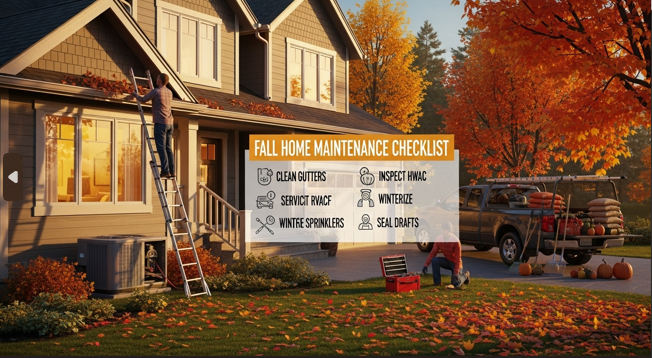
1. Clear Gutters & Downspouts
When leaves and debris clog your gutters, water backs up and can damage your roof, siding, and even your foundation.
2. Service Your HVAC System
Tenants expect reliable heat when the temperature drops. A neglected HVAC system can fail at the worst time — and emergency calls are expensive.
3. Pest Control Prevention
As the weather cools, rodents and insects start looking for warm shelter — often inside your property.
4. Weatherproofing & Energy Efficiency
Drafts and poor insulation can skyrocket utility bills and create uncomfortable living conditions.
Pro Tip from a Property Manager
Staying ahead of seasonal maintenance doesn’t just protect your property it protects your profit. Preventive care reduces emergency repairs, keeps tenants satisfied, and preserves long-term property value.
✅ Final Takeaway:
Fall is your opportunity to get your property winter-ready. Tackling these tasks now will save you money, extend the life of your systems, and keep your tenants comfortable all season long.
If you’d like help managing seasonal maintenance or need a trusted professional to oversee your investment, I’d be happy to assist.











Large image files can slow down your website. Use image optimization tools to compress images without sacrificing quality, ensuring faster load times.


Reducing the number of HTTP requests can improve loading times. Combine CSS and JavaScript files where possible, and use CSS sprites for images to minimize requests.



Caching can significantly improve performance by storing frequently accessed data. Implement caching solutions to reduce server load and speed up page delivery.





Regularly optimizing your database can enhance performance. Remove unnecessary data, and consider using database optimization plugins to streamline operations.

A CDN can distribute your content across multiple servers worldwide, reducing latency and improving load times for users regardless of their location.



Regularly monitor your website's performance using analytics tools. This will help you identify bottlenecks and areas for improvement.




Optimizing your CMS performance is an ongoing process that requires attention and effort. By implementing these techniques, you can enhance user experience and improve your site's overall effectiveness.